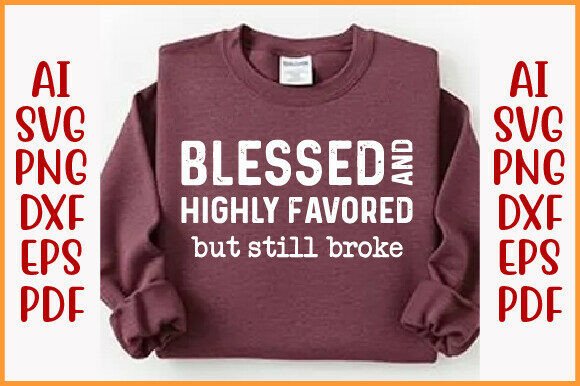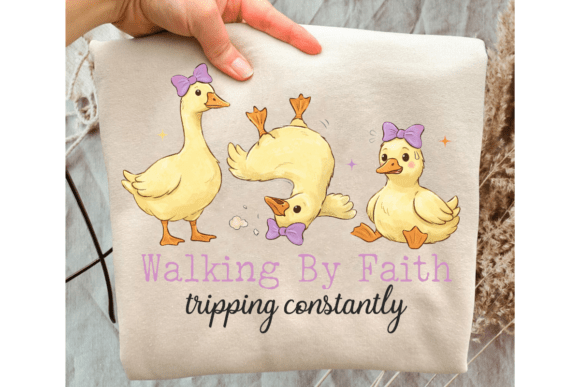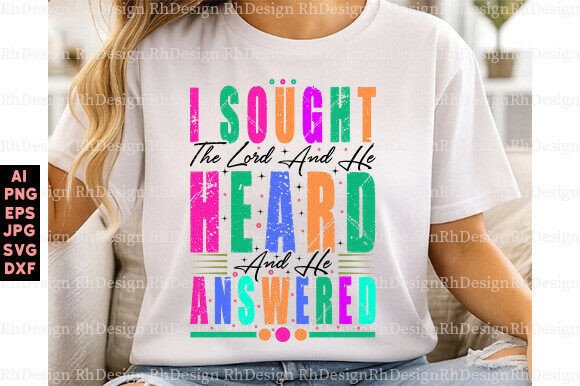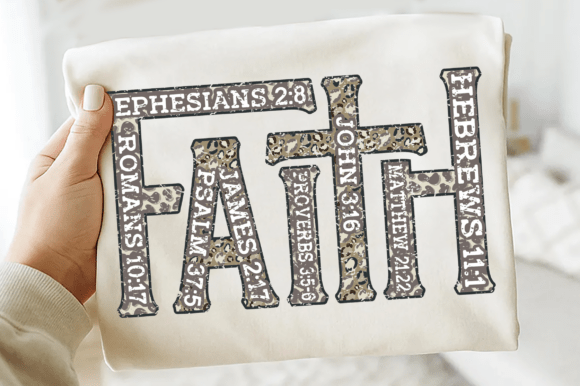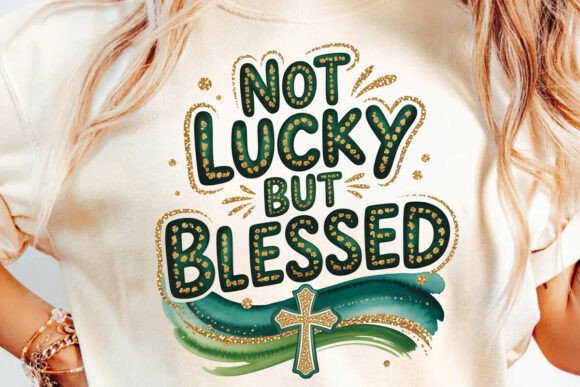
Not Lucky but Blessed Christian PNG
A Quiet Statement That Stitches Well
When I opened Not Lucky but Blessed Christian PNG for the first time, what struck me wasn’t flash—it was focus. Clean lines, balanced negative space, and a gentle rhythm in the lettering make this design feel grounded, not generic. It’s not shouting; it’s settling in. As someone who’s stitched hundreds of faith-based designs for boutique apparel, baby blankets, and custom tote bags, I immediately pictured it on a soft cotton apron for a small-batch kitchen brand—or centered on a cream-colored linen pillow cover for a nursery. The phrase carries warmth without sentimentality, and the PNG format gives flexibility for digitizing into a machine embroidery design—but only if you approach it with intention.
Fits Naturally Where Meaning Meets Material
I recently used Not Lucky but Blessed Christian PNG as the foundation for a custom embroidered tote bag—linen-cotton blend, medium weight, no stretch. After digitizing, I ran a test stitch on scrap fabric with tear-away stabilizer. The result? Crisp satin-stitched outlines, smooth fill stitches in the letterforms, and zero puckering. That’s because the original layout avoids tight corners, overly thin serifs, or micro-details that collapse under thread tension. It translated cleanly to sweatshirt embroidery too: scaled up slightly for a crewneck, it held presence without overwhelming the garment’s texture.
This design shines brightest on items where clarity and calm matter—baby embroidery (think onesies or burp cloths), holiday embroidery (a subtle addition to a handmade tea towel or stocking), or personalized gifts like wedding guest favors or graduation keepsakes. For Etsy sellers, it’s a strong candidate for digital embroidery file bundles paired with coordinating scripture motifs—or as a standalone embroidered patch for denim jackets or backpacks.
Where It Works—and Where It Needs Extra Care
Not Lucky but Blessed Christian PNG isn’t built for every surface. On thin or stretchy fabric—like lightweight jersey tees or baby rib knit—smaller versions risk distortion unless backed with cut-away stabilizer and stitched at lower density. I tested a 3-inch version on a curved cap front and found the top curve of the “B” in “Blessed” softened slightly; re-digitizing with slight letter spacing adjustment helped. Likewise, dense fill areas (like the solid base of the “L”) can look heavy on dark fabric unless thread color contrast is intentional—navy thread on black felt? Too muddy. But ecru on charcoal? Elegant.
It also doesn’t thrive in tiny hoop sizes (under 4 inches) without simplification. The original letter spacing and modest flourishes need breathing room. And while it reads beautifully on flat, stable surfaces—pillow covers, aprons, tote bags—it’s less ideal for highly textured fabrics like bouclé or heavily napped fleece, where fine details vanish. If you’re planning commercial embroidery for small shop product lines, treat it as a mid-tier design: reliable, not revolutionary—but consistently trusted by customers who value sincerity over sparkle.
What It Adds to Your Finished Product
Stitching Not Lucky but Blessed Christian PNG elevates perceived value—not through complexity, but through cohesion. It supports brand consistency for faith-based craft businesses: quiet confidence, not cliché. Customers notice when wording feels intentional and execution feels polished. I’ve seen buyers linger longer on listings featuring this kind of design in printable mockups—especially when shown on natural-light backgrounds with neutral garments. It builds trust: no frantic fonts, no visual noise, just clear, confident messaging that aligns with how people actually speak their faith.
For handmade product sellers, it enhances giftability. A mug with this phrase printed? Nice. An embroidered kitchen towel with the same phrase, stitched in matte cotton thread? Feels personal. Thoughtful. Made-for-them. That subtle shift—from graphic to tactile—matters deeply at craft fairs or boutique shelves.
Practical Designer Notes Before You Stitch
- Always test first: Run Not Lucky but Blessed Christian PNG on scrap fabric matching your final project’s weight and stretch—even if it’s just a 2-inch version.
- Check thread color contrast: Try it in both light and dark thread on light and dark fabric swatches. Some shades of gold or sage read beautifully; others fade.
- Review stitch density: Overly dense fills may cause stiffness on baby embroidery or lightweight apparel. Adjust if needed for drape and comfort.
- Confirm hoop size compatibility: This design scales well, but avoid shrinking below 3.5 inches without reviewing legibility of inner curves and spacing.
- Inspect small details: Zoom in on the junctions of letters like “c” and “t”—they should digitize cleanly without thread nesting.
- Test black-and-white mockups: Does it retain impact without color? It should—this is a strength of the original composition.
- Use proper stabilizer: Tear-away works for stable fabrics; cut-away is safer for knits or layered garments.
- Verify licensing: Since this is a T-Shirt Designs product, confirm whether your intended use—personalized gift, small batch merchandise, or digital resale—falls within permitted terms before listing or selling.
Final Thought: A Design That Earns Its Place
Not Lucky but Blessed Christian PNG won’t dominate a trend report—but it will hold its ground on a well-made tote bag handed to a new mom, or stitched onto a sweatshirt worn through seasons of change. It’s the kind of design that grows quieter with time, not louder. For embroidery designers and creative entrepreneurs who prioritize authenticity over algorithm-chasing, it’s a dependable asset: simple enough to execute cleanly, meaningful enough to resonate, and flexible enough to become part of something larger—a brand, a gift, a quiet moment stitched in thread.